Infrastructure · 7 min read
RWA is not a category of onchain finance. It is its destination.
For a long time we treated crypto as if the goal was to create a new asset class.
In part, it was.
Bitcoin proved that digital scarcity could exist. Ethereum proved that assets, rules and markets could be programmable. Stablecoins proved that money could move around the world, 24 hours a day, with an efficiency the traditional banking system still cannot match.
Almost everything that came after was an experiment. Governance Tokens with no cash flow. Protocols with no distribution. Liquidity propped up artificially. Products designed for a tiny fraction of users who already understood wallets, bridges, gas, slippage and a stack of frictions that should never have existed for the end user.
That does not diminish what was built. It was necessary. But we need to be honest about where we are.
The first era of onchain finance was research and development in public. The second will be the era when real financial assets move onchain. And the second era will be far bigger.
My bet is direct. RWA will be 99% of onchain finance. And onchain finance will be the infrastructure for 99% of the world's financial assets.
Not because everything will be called crypto. Not because every investor will open a wallet. Not because banks will disappear. But because, once you strip out the ideological noise and look at the structural efficiency of the technology, there is no justification for the world's assets to stay trapped in closed systems, banking hours, redundant intermediaries and fragmented markets.
The future is not tokenizing assets as an isolated feature. The future is almost every relevant asset being born programmable, global, settleable and interoperable.
Government bonds. Private credit. Funds. Receivables. Equity stakes. Commodities. Real estate. Corporate debt. Structured products. Bank balances. Currencies.
Everything.
RWA is not about putting a real world asset inside a blockchain.
It is about rebuilding how trust, distribution and liquidity work in the financial market.
The asset is not enough
There is a lazy reading of RWA. It says you just take a traditional asset, issue a token that represents it, and wait for liquidity to show up.
It is wrong.
Origination matters. Asset quality matters. Legal structure matters. Investor protection matters.
But the moment we move out of institutional pilots and into mass adoption, the product has to solve three problems that sit in midfield, between the asset and the user.
Without that, RWA stays a tokenized version of a closed, illiquid, poorly distributed product.
The three are: global trust, distribution with network effects, and invisible integration with consumer apps.
1. RWA needs global trust
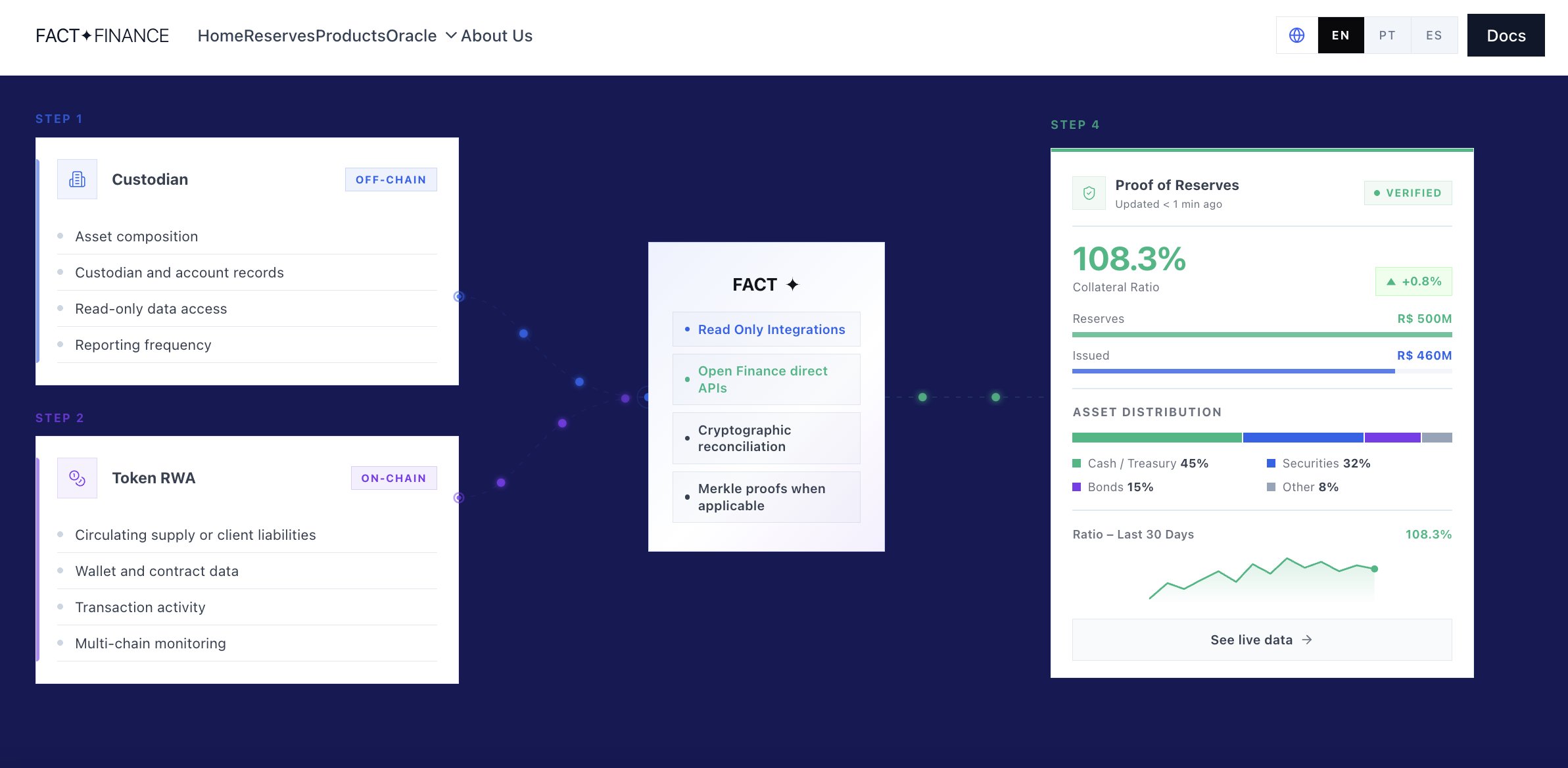
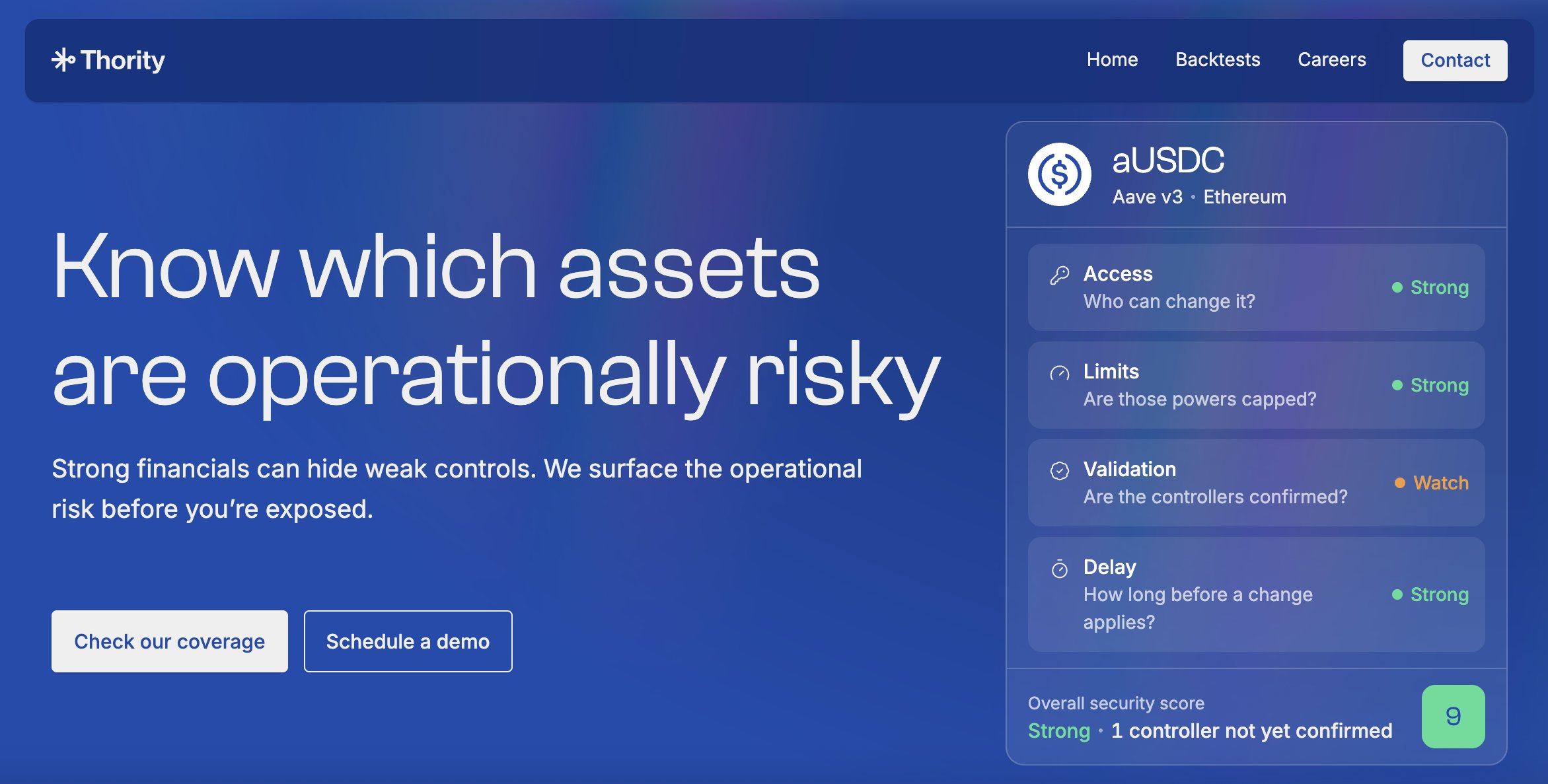
To be investable anywhere in the world, an asset cannot rely on the issuer's promise alone.
It has to be verifiable.
That means proof of reserves, financial audits, technical audits, contract security, control over access authorities, clear governance and a robust legal structure.
A tokenized asset is not, by itself, a global asset.
It becomes global when someone on the other side of the planet can analyze its structure and conclude that it is safe. Safe economically, technically, legally and operationally.
This will be one of the great shifts of the next decade.
Today there is still no universal trust layer for RWA. There are financial audits, smart contract security firms, law firms, custodians, fiduciary administrators and data providers. But each piece is separate from the next.
The market will need institutions that combine these functions, or standards that let all of them be read in a unified way.
Just as global standards emerged for accounting, credit rating, bank messaging, insurance and custody, standards will emerge for onchain assets.
And that will be decisive.
Over the long run, the edge of an RWA will not be its yield or performance.
It will be the degree of trust it carries.
The best assets will not be the ones promising the highest return. They will be the ones that can be understood, audited and distributed anywhere.
(highlight to @TheFactOracle and https://thority.io/ building this layer)
(Take a look also here: https://www.rwamonitor.io/)
2. RWA has to be born for distribution, not for silos
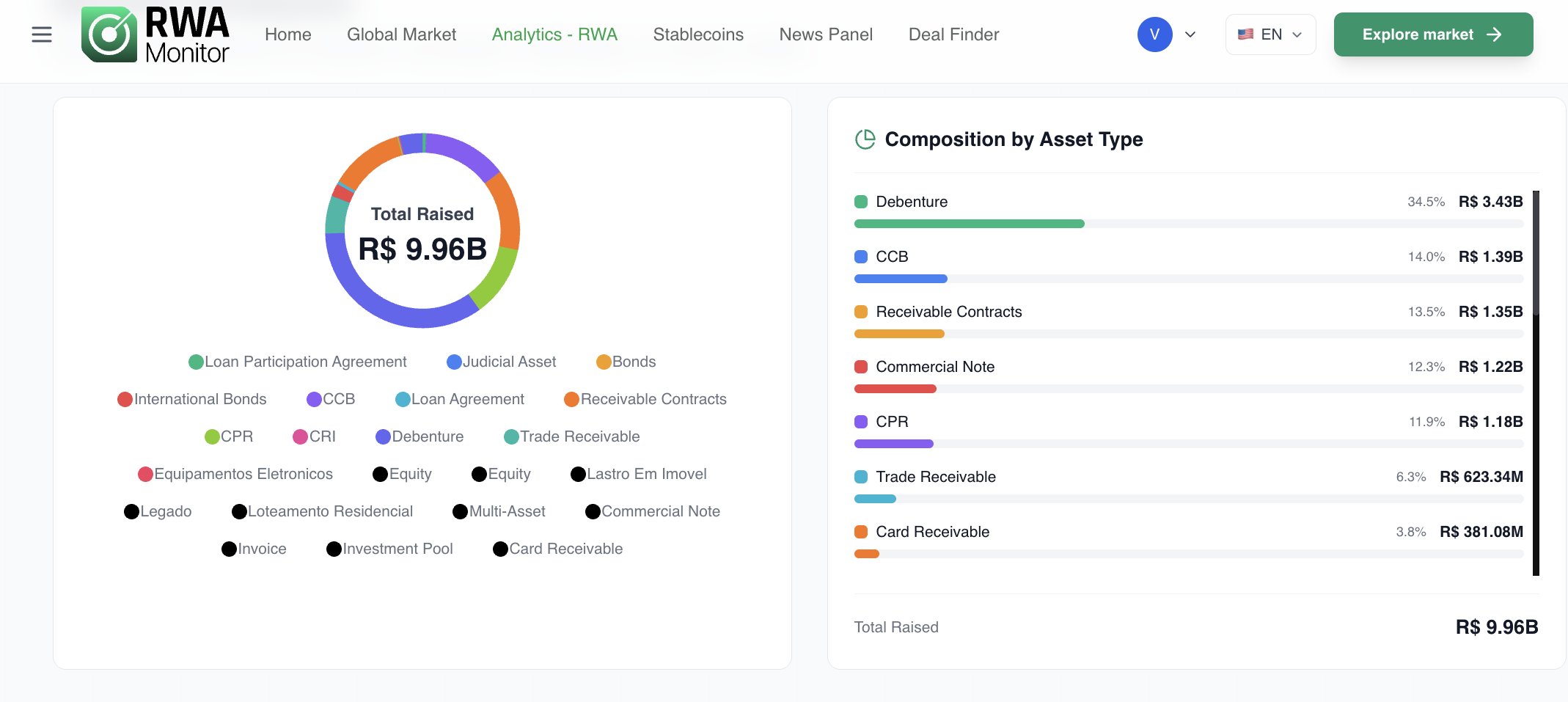
The second point matters even more. Distribution.
An RWA with no secondary market is just a closed financial product with a new interface.
An RWA locked to an isolated blockchain, a vertically integrated ecosystem or a single app repeats the worst flaws of the traditional system. Fragmentation. Thin liquidity. Restricted access.
It makes no sense to create a programmable asset only to lock it inside a walled garden.
The promise of onchain finance is the opposite of that.
An asset should circulate across applications, serve as collateral, plug into other products, trade on secondary markets, be distributed by many platforms and reach users across geographies.
That is the real network effect.
The more applications accept an asset, the more liquidity it attracts. The more liquidity, the more applications want to integrate it. The more distributed it gets, the more trusted and useful it becomes.
That does not happen in silos.
It happens in open ecosystems.
This is why the thesis of verticalizing everything is dumb verticalization. Issuing, custodying, distributing, trading and locking the user inside a single platform looks efficient because it gives you control.
But it destroys the greatest benefit of onchain infrastructure. The ability to create shared markets.
The more closed the silo, the less incentive the market has to carry your asset. And the more incentive it has to seek out an equivalent RWA that offers similar exposure without the same lock-in.
The best RWA (including stablecoins) will not be the one that traps the most users.
It will be the one that exists in the most contexts, with the most distributors, the most integrations and the most paths to liquidity.
Because liquidity is not a feature.
Liquidity is the consequence of open distribution.
3. RWA has to disappear for the end user
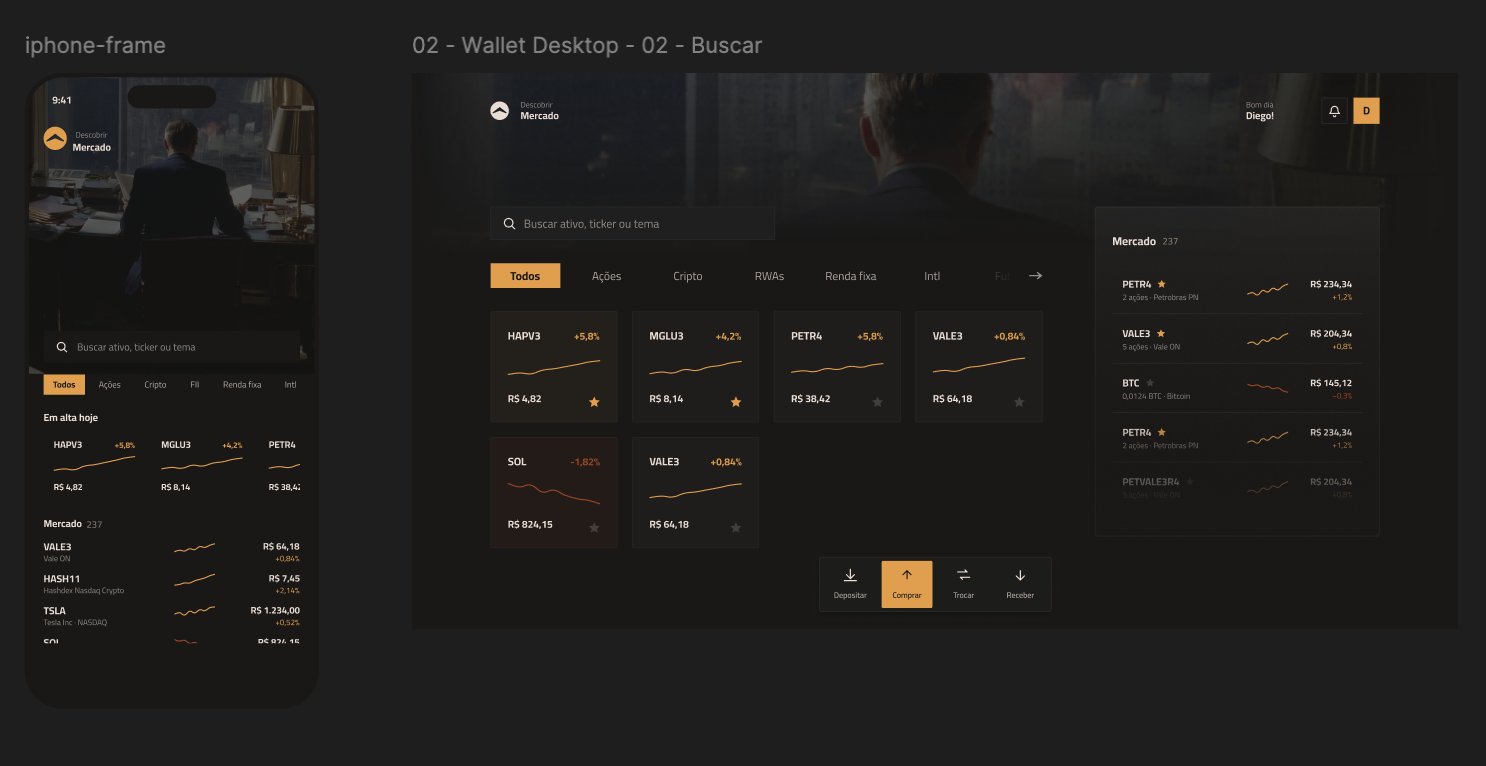
The third point is where mass adoption actually happens.
No ordinary user wants to know which network an asset lives on. Nobody should have to understand gas, bridges, private keys or RPCs to access a financial product. People want a simple experience.
They want better yield. Faster access. Liquidity when they need it. Global exposure. Lower fees. Security. That is it.
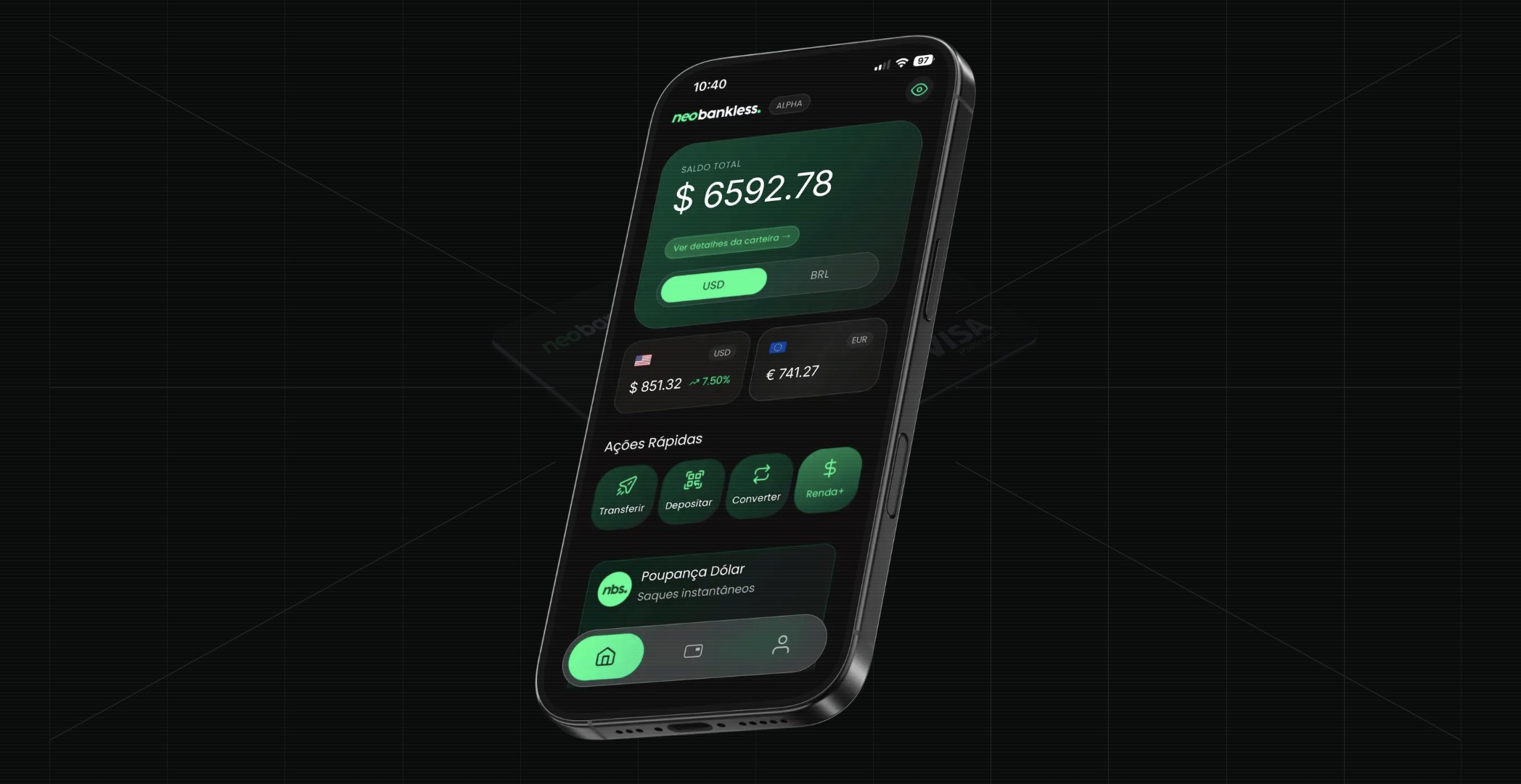
RWA distribution to retail will not happen on block explorers or protocol interfaces. It will happen inside neobanks, exchanges, superapps and products that already feel familiar. The user is not going to buy a token of tokenized corporate receivables on a blockchain.
They will open their financial app and see an option that yields more than a savings account, with clear liquidity, understandable risk and instant access. They are not going to use cross-chain infrastructure.
They will send money to another country or invest in a global asset the way they send a message. That is the standard that matters.
The internet won because nobody had to understand TCP/IP to send an email.
Onchain finance wins when nobody has to understand blockchain to access a better asset.
(Highlights to @nbs_finance, zeom.global, @koresolutions_, @PodsFinance, @usePicnicBR, @rivool_finance, @belo_app, @lemonapp_br and more, building this layer)
The next financial market will be onchain by default
The confusion today is treating RWA as a vertical inside crypto.
It is not.
RWA is the moment crypto stops being a parallel category and becomes financial infrastructure. Most of the world's assets do not need a speculative token. They need better rails.
Faster settlement. Fewer intermediaries. Lower cost. More transparency. Broader distribution. Global access. Programmability. Secondary markets. Composability.
That is exactly what onchain finance delivers.
The first phase built the primitives. Stablecoins created programmable money. DeFi created programmable markets. Institutional custody created operational trust. Identity and compliance began opening the regulatory path.
Now comes the phase where these primitives stop being isolated products and start composing an entire financial system.
The winners of this era will not just be the best originators. Nor just the best blockchains. Nor just the best distribution apps.
They will be the ones who understand that a quality RWA connects all three sides at once. Global trust. Open distribution. Invisible experience.
The asset is the foundation.
But it is the midfield that turns good origination into a global market.
RWA will not be the next big sector of onchain finance.
RWA will be onchain finance.
Publicado originalmente em https://x.com/cioffi_victor/article/2074621700843397393