Infrastructure · 3 min read
The 'Rothschild-Medici' Moment of Crypto
“Anything that is in the world when you're born is normal and ordinary and is just a natural part of the way the world works. Anything that's invented between when you're fifteen and thirty-five is
“Anything that is in the world when you're born is normal and ordinary and is just a natural part of the way the world works.
Anything that's invented between when you're fifteen and thirty-five is new and exciting and revolutionary and you can probably get a career in it.
Anything invented after you're thirty-five is against the natural order of things.”
— Douglas Adams
Most of us walk around with a silent assumption: the world is basically finished.
That what we see is how it’s always been, and how it’s supposed to be.
It’s wrong.
Most of the systems we use every day are half-baked, held together with duct tape, and will look embarrassingly primitive to future generations. We take them for granted and forget that tiny innovations can unlock massive jumps in efficiency.
We’re also terrible at predicting second-order effects.
Who imagined that “internet on your phone” would reinvent urban transportation? Yet Uber did.
Who thought the printing press would help trigger the Enlightenment?
Take Banking.
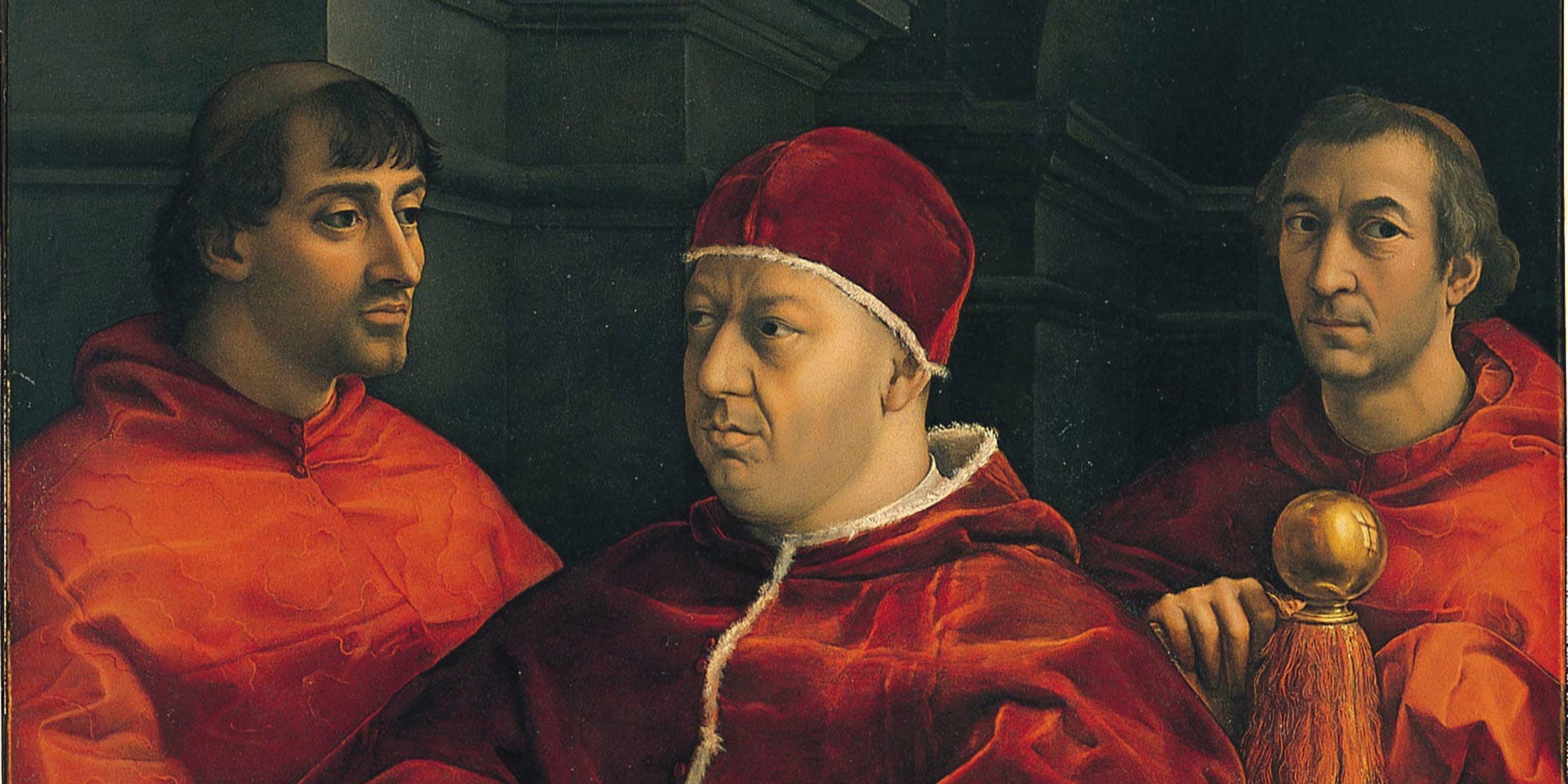
The Medici didn’t just “run a bank”. They invented the financial tools that made long-distance trade workable. Their IOUs and bills of exchange let merchants pay each other across Europe without dragging chests of gold around. A piece of Medici paper in Florence could be redeemed in London or Bruges.
They turned dangerous shipments of coins into a network of trust and settlement.
They skimmed fees on every cross-border payment and gained visibility into Europe’s trade flows.
In a pre-digital world, this was the closest thing to programmable money, the foundation of their entire fortune. The royal marriages, the Popes, financing the Renaissance… that’s the byproduct of infrastructure.
Then the Rothschilds came and industrialized sovereign debt.
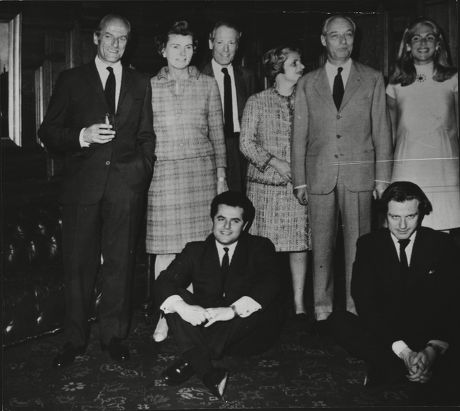
Before them, governments borrowed in fragmented, local deals with individual bankers on arbitrary terms. No standardization, no real secondary market, no scale.
The Rothschild network changed the game:
- They syndicated bond issues across multiple financial centers so states could raise far more capital at lower rates.
- They standardized maturities, coupons, and denominations so bonds could actually be priced and traded.
- They actively made markets in the bonds they issued, creating liquidity instead of hoping for it.
- With branches in major capitals and the best information network in Europe, they priced geopolitical risk better than anyone.
They didn’t just made money out of the sovereign debt market. They created the modern one.
And... It’s happening again.
DeFi and tokenization won’t reshape banking because they’re “ideologically pure”. They’ll win because they’re a superior infrastructure.
- Tokenized money settles instantly, runs 24/7, and plugs directly into software.
- DeFi turns core banking functions: lending, exchange, liquidity, settlement, into open, composable smart contracts instead of siloed intermediaries.
- Stablecoins via blockchains beat commercial bank money on speed, cost, transparency, and global reach, becoming the natural money for digital economies.
- Tokenized assets erase geography, giving anyone access to foreign currencies, treasuries, equities, and credit without asking permission from a local banking system.
Together, DeFi and tokenization compress costs, kill reconciliation overhead, and open the monetary OS to developers. Innovation starts moving at software speed.
This is not only a philosophical revolution.
It’s a efficiency revolution.
While some wage wars, from the Napoleonic wars to WW I and WW II, we quietly build the world.
That’s why we’re building @norafinancexyz.
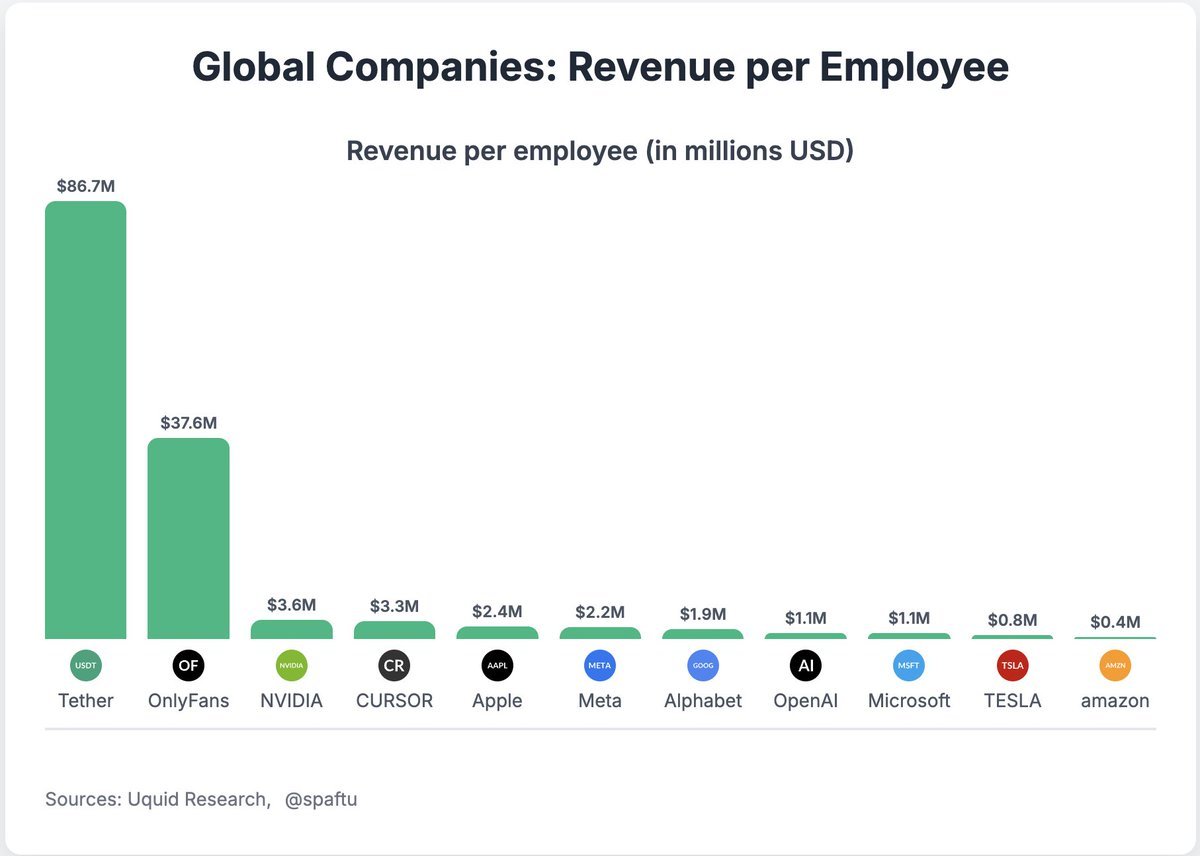
First, we’re tokenizing a trillion-dollar asset and giving 210M people a zero-fee gateway into the onchain economy. We focus on TVL growth and monetize it with a 15% APY in sovereign treasuries, the same playbook that makes Tether and Circle insanely revenue-efficient. Tether famously generates around $86M in revenue per employee.
Why does this matter?
Because this is the Medici & Rothschild moment of the 21st century.
The primitives being built now will define how money, credit, and value move for the whole century.
Publicado originalmente em https://x.com/cioffi_victor/article/1995928730909237737